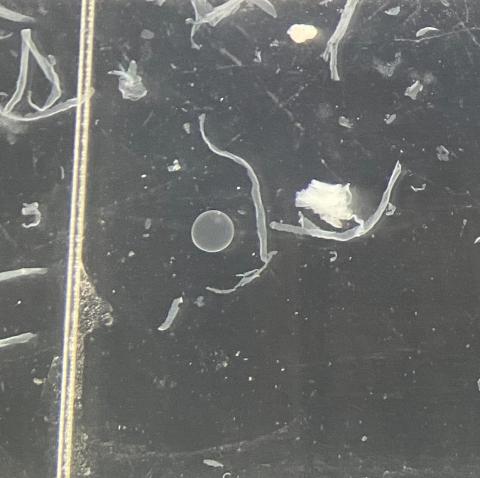
Embryo transfer in mares consists of removing an embryo developed in vivo, obtained by insemination or mating of the natural mother, and implanting it in the uterus of a recipient mare, in order to allow the continuation of gestation and the birth of a foal.
This technique is used to increase the production of high quality horses or to allow mares that cannot bear a foal to give birth to an offspring.
 The collected embryos are currently freshly transferred to a synchronous recipient mare at our disposal, or transferred to a partner implantation centre.
Embryo freezing can be used to store surplus embryos obtained, or to allow mares to give birth to foals at different times. The quality of frozen embryos can vary depending on many factors, such as timing and freezing conditions, and although freezing technology has advanced considerably in recent years, the success rate of transferring frozen embryos obtained by conventional (in vivo) collection is too low to use this technique commercially.
Transfer of equine embryos obtained by ICSI (Intracytoplasmic Sperm Injection) is similar to conventional embryo transfer, where the formed embryo is implanted into the uterus of the recipient mare for further gestation. However, these capsule-less embryos can be frozen and therefore implantation into a recipient can be delayed.
Add new comment